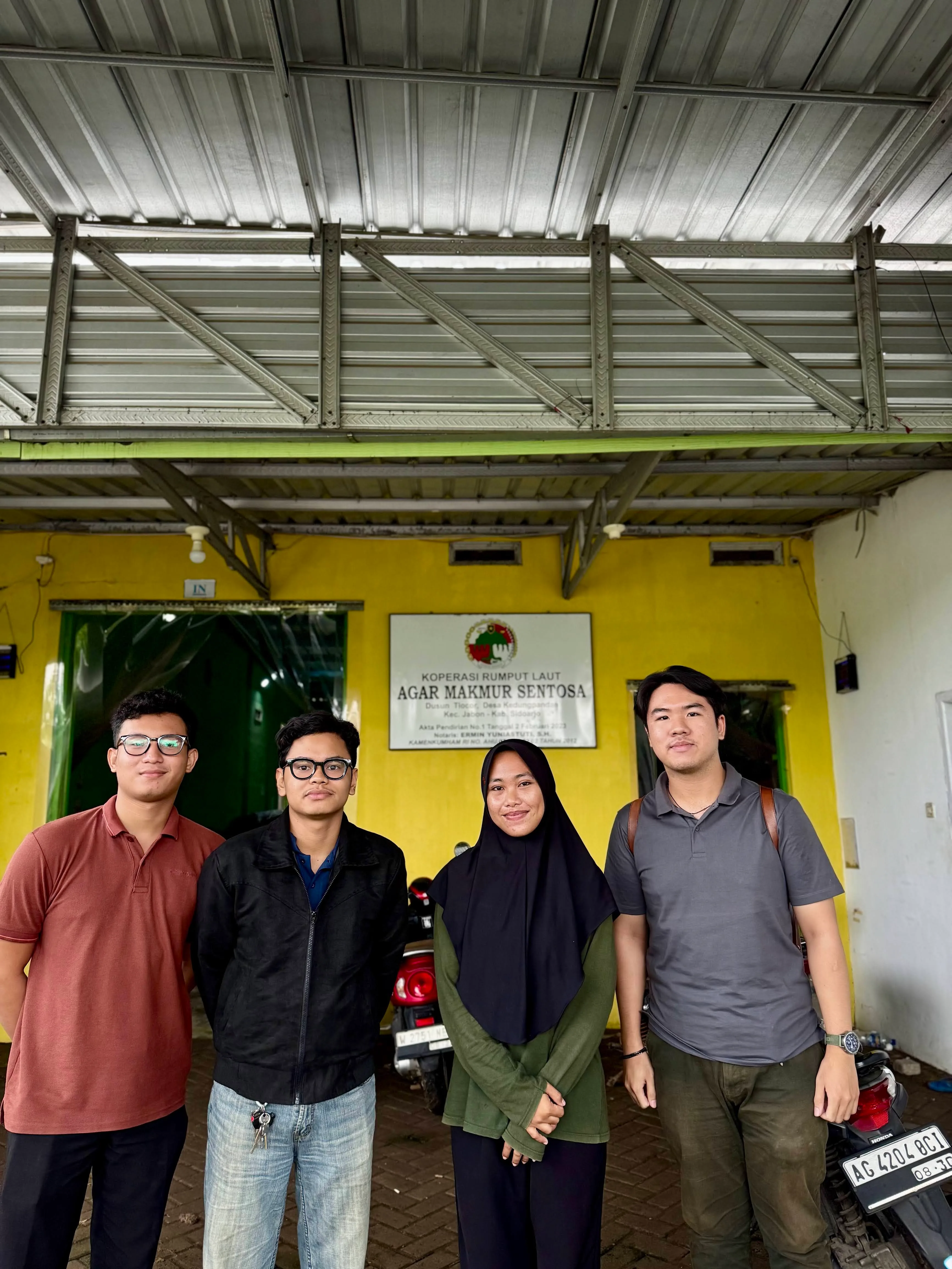
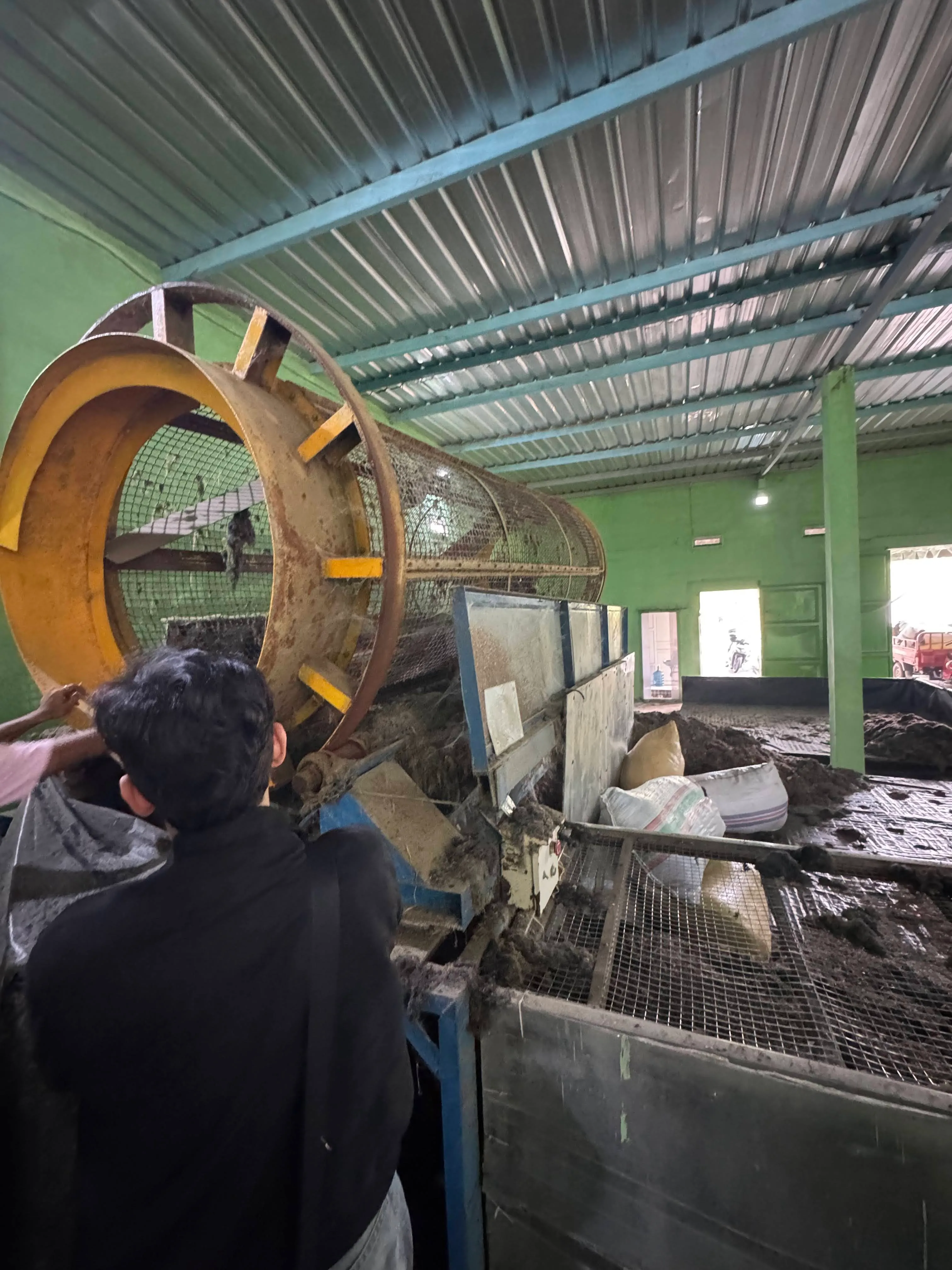
Inside the first processing floor
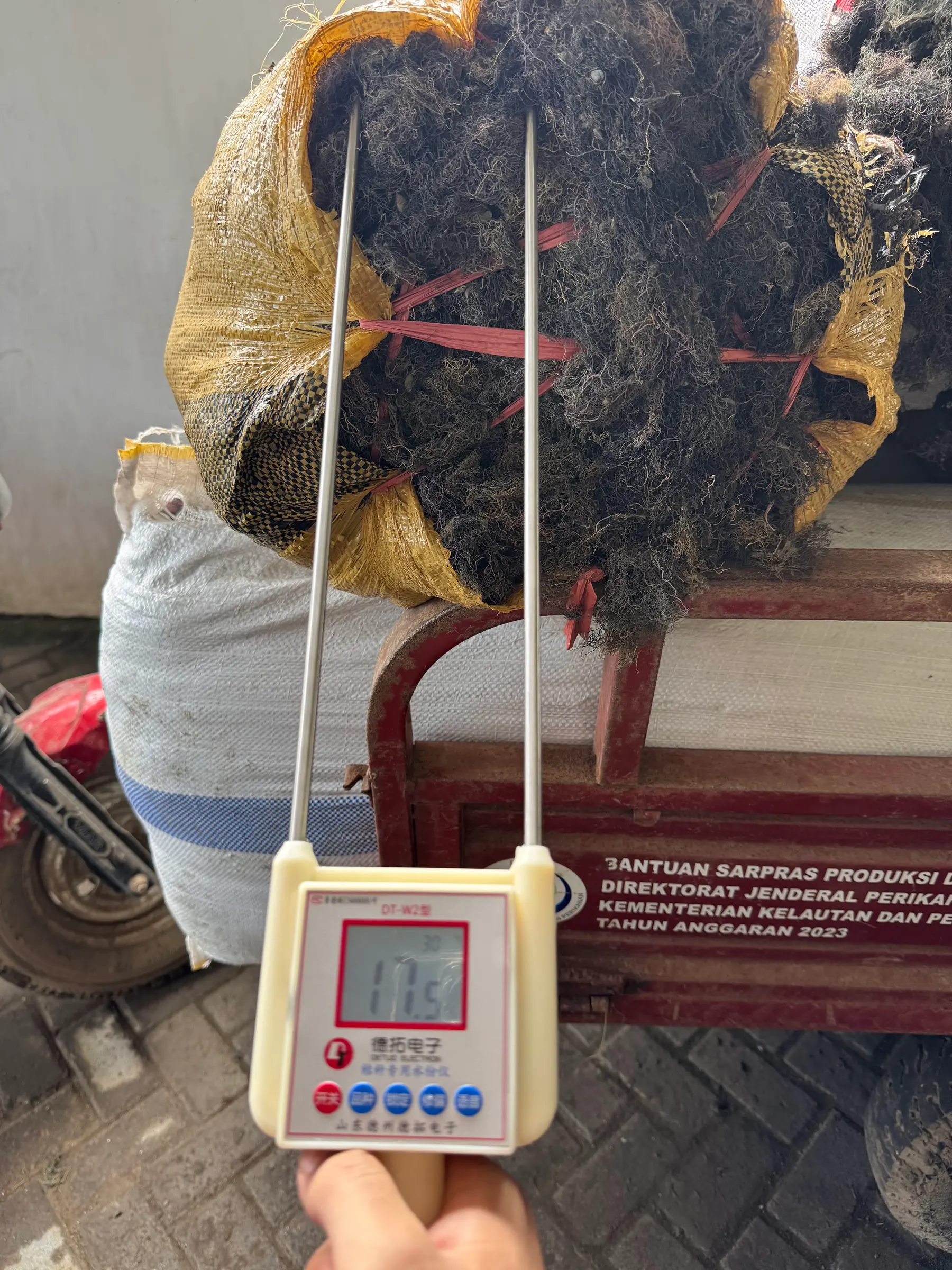
A first processing floor should not be mistaken for a showcase. Its job is to make the critical workflow visible, not to signal scale before the basics are stable.
That is why the most important design choices are often mundane: where incoming material lands, how operators move, what stays visible from one station to the next, and where delay starts to accumulate.
Layout is an operating decision
Every floor layout encodes a thesis about how work should flow. If incoming material, drying, inspection, and dispatch sit in conflict with one another, the team ends up improvising around the floor instead of learning through it.
A good first floor does not try to solve every future need. It solves visibility. The team should be able to see bottlenecks early and move material with fewer ambiguous handoffs.
Equipment only matters inside a sequence
Choosing equipment in isolation is rarely useful. The better question is where each tool sits inside a repeatable sequence. Does it reduce waiting time, improve consistency, or make inspection clearer? If not, it may add cost without improving reliability.
For the first node, we care less about equipment count and more about whether each station makes the next decision easier. The floor should help the operator think, not overwhelm the operator with choices.
The floor has to survive ordinary days
The real test is not a perfectly staffed day with ideal weather. It is the ordinary day: partial delays, mixed incoming quality, limited attention, and the constant temptation to skip a check to keep volume moving.
If the floor still helps the team keep separation, inspection, and release discipline under those conditions, then it is beginning to become a real operating node rather than a one-off setup.