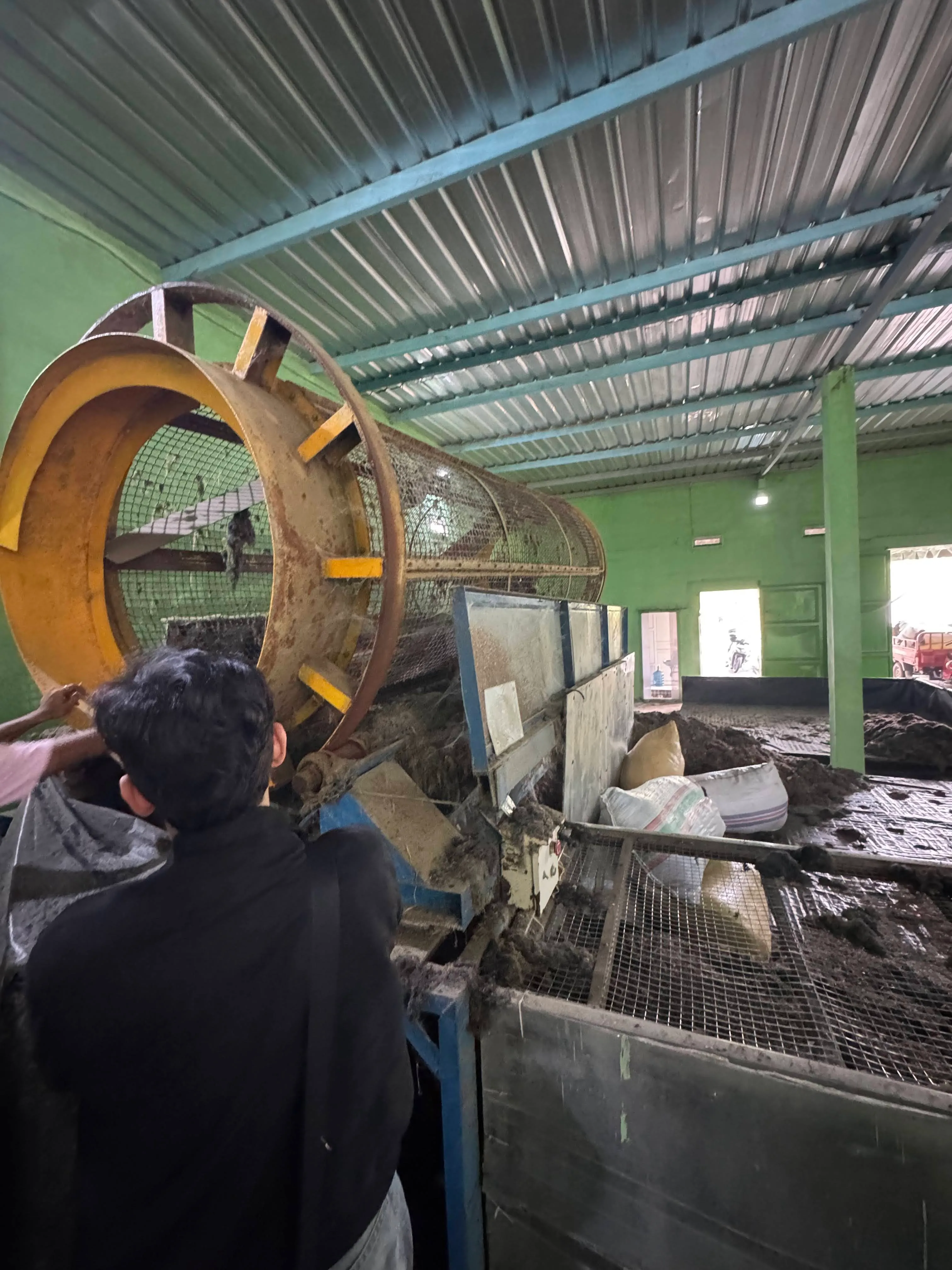
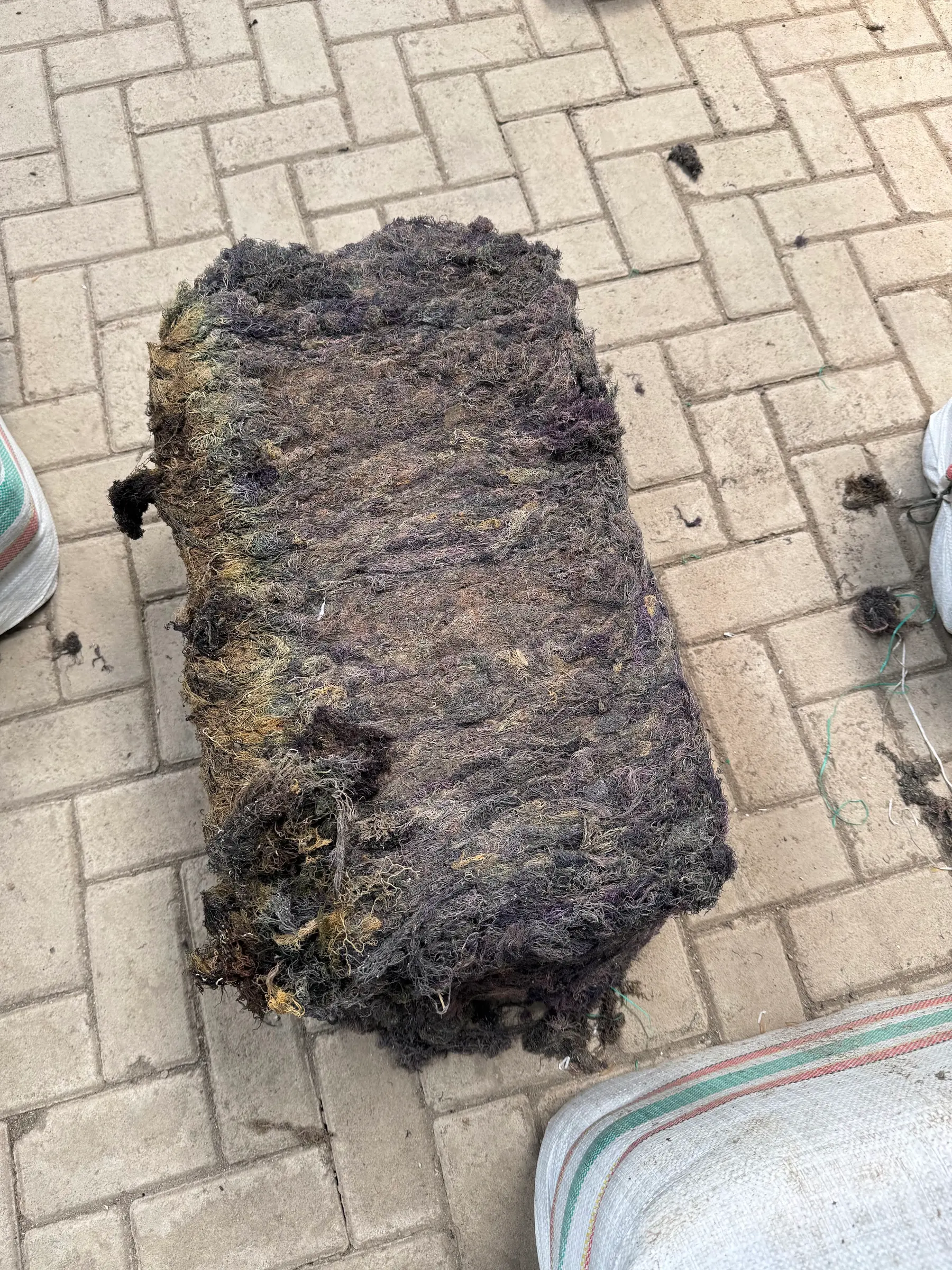
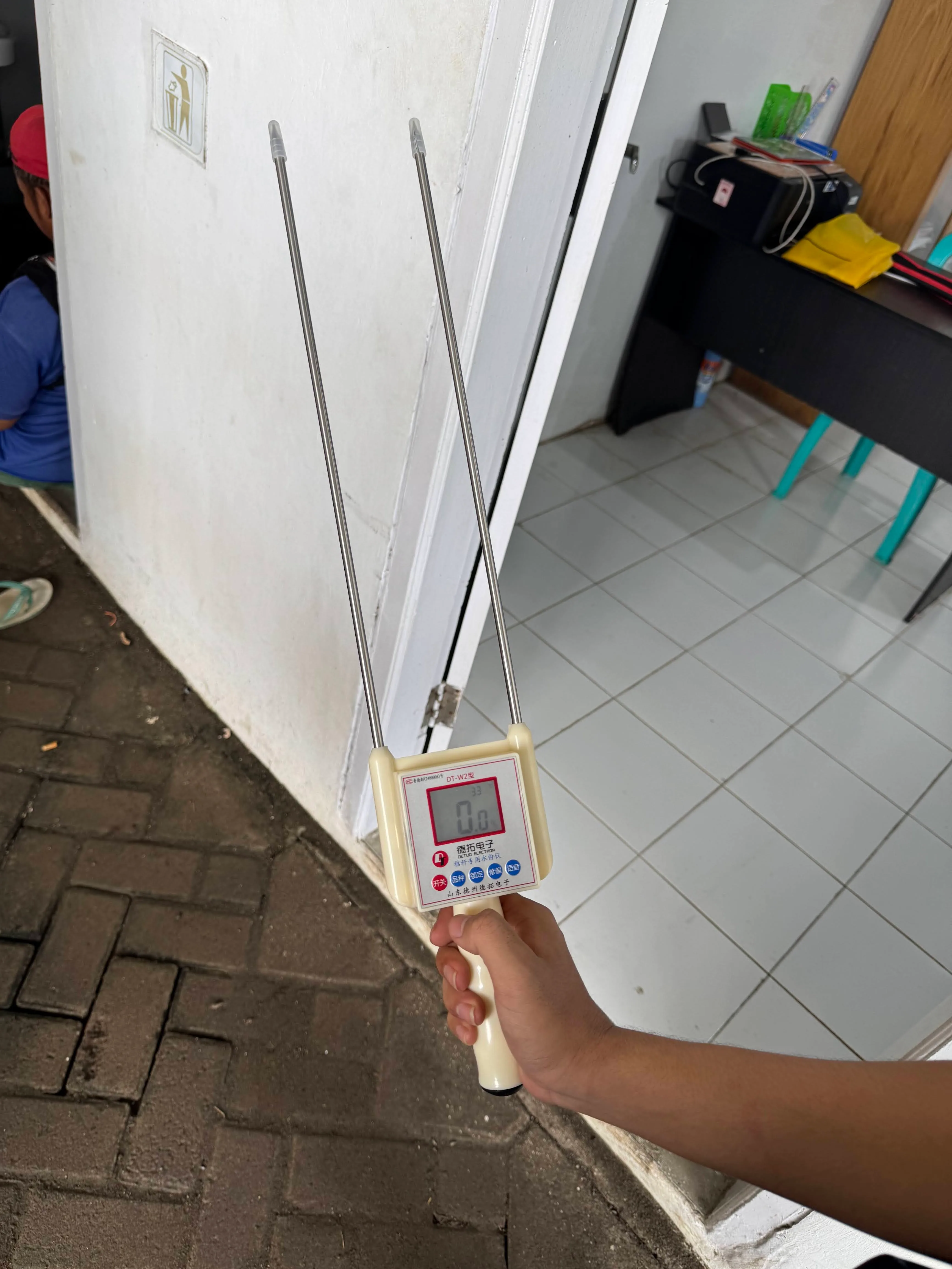
Replication starts after one node works
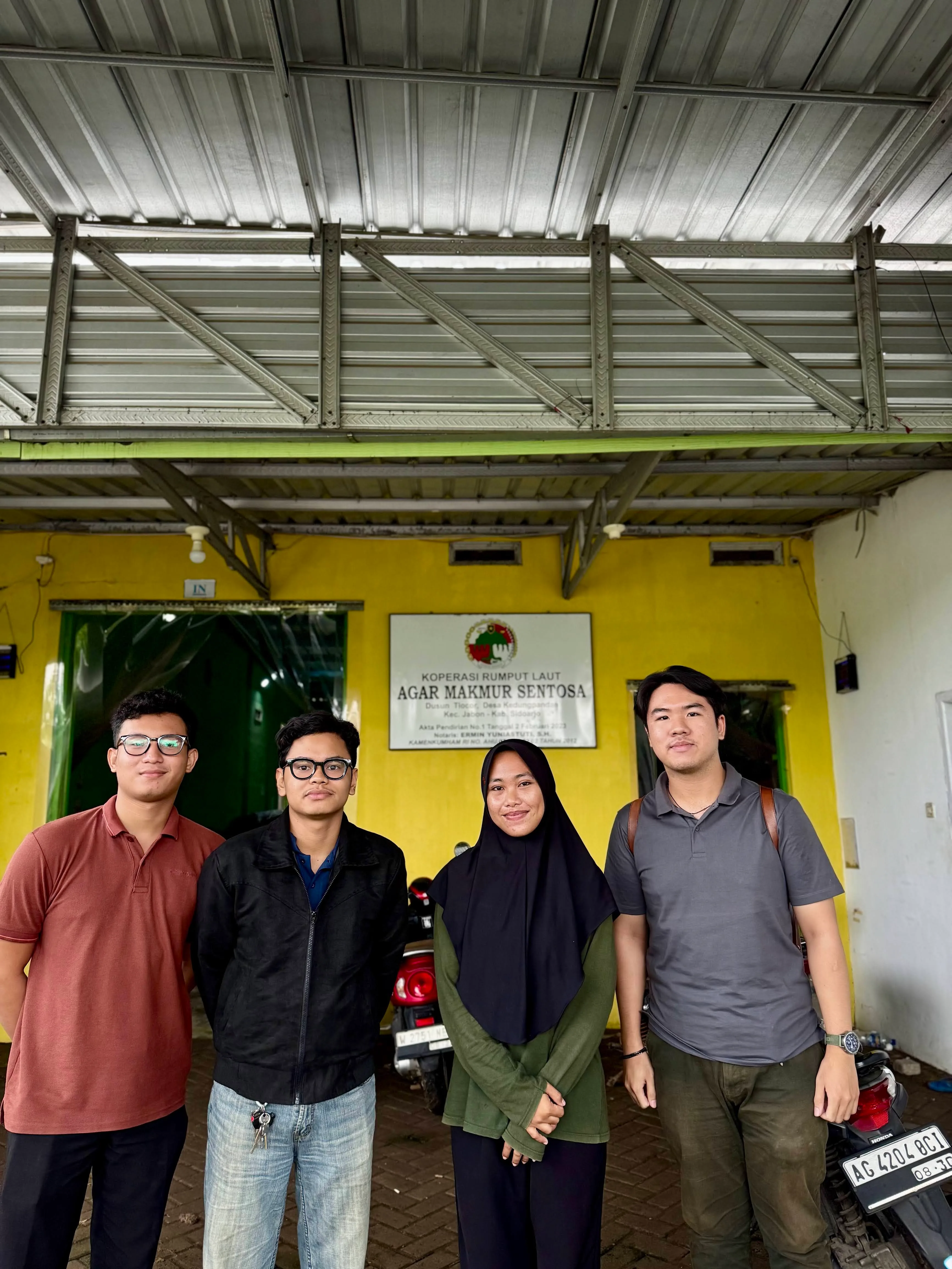
Scale is attractive language, especially in fragmented supply chains. But in post-harvest operations, scale without proof usually means multiplying uncertainty.
Replication begins later than most people want. It begins after one node can keep routines, document quality, and hold together under normal operating pressure.
One working node is the first evidence pack
The first node has to produce more than revenue. It has to produce evidence: quality records, process timing, yield assumptions, operator routines, and a realistic view of where the system still breaks.
Without that evidence, replication becomes decorative planning. With it, the next site inherits something much more useful than optimism. It inherits an operating playbook shaped by reality.
Transferability is the real test
A node is not truly ready for replication when only the founding team can operate it. It is ready when the process is legible enough to be taught, checked, and adapted by another team in another place.
That pushes us to simplify. The system must be strong, but it also has to be teachable. Replication requires clarity, not mystique.
Why we talk about proof before expansion
There are many coastal communities with similar constraints, inside Indonesia and beyond it. That makes replication possible. It does not make it automatic. Similarity of problem is not the same as readiness of solution.
So the discipline is simple: make one node honest, measurable, and teachable. Then expansion becomes a technical question. Before that point, expansion is mostly a storytelling exercise.