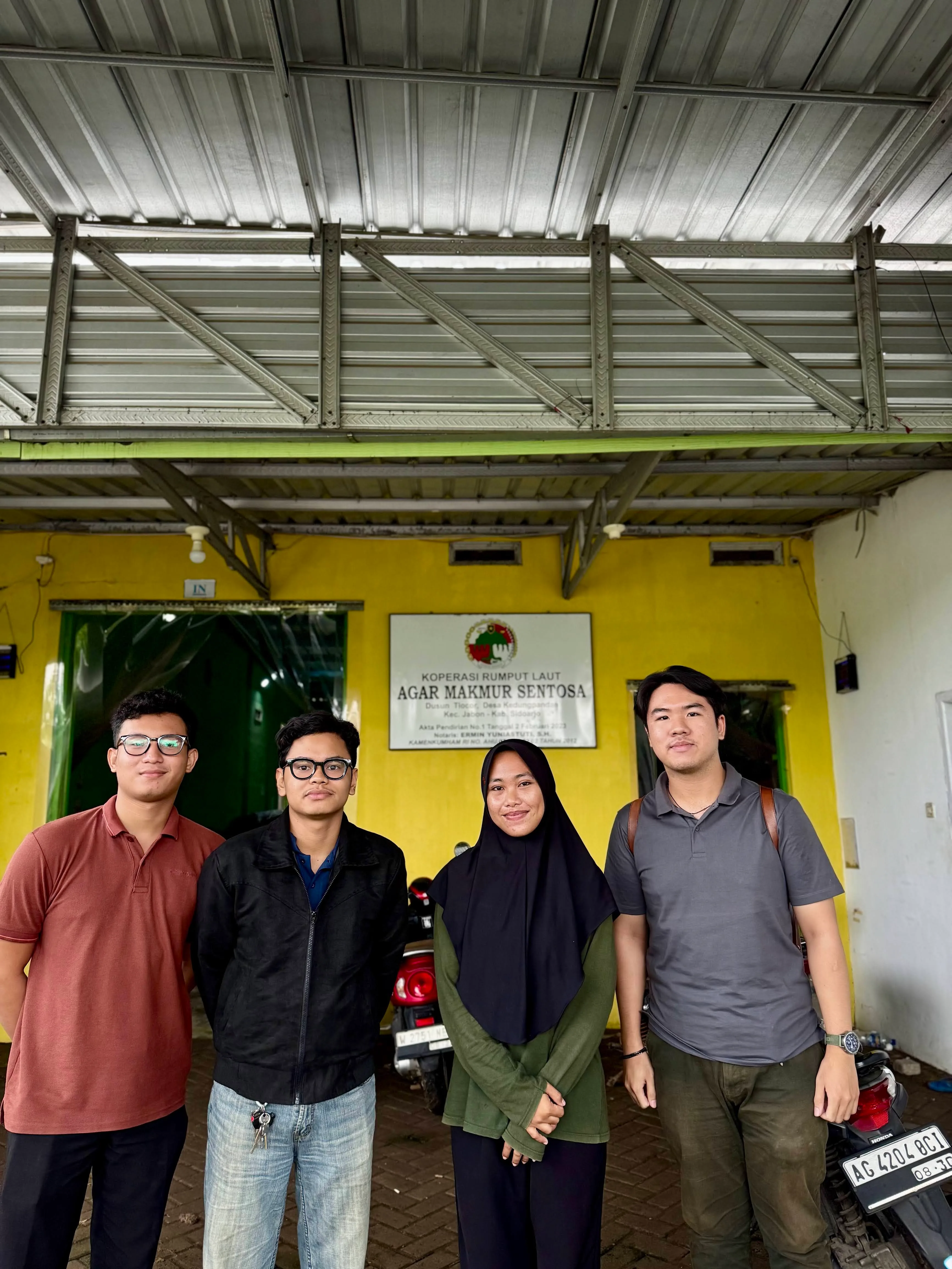
Why cooperatives need process, not promises
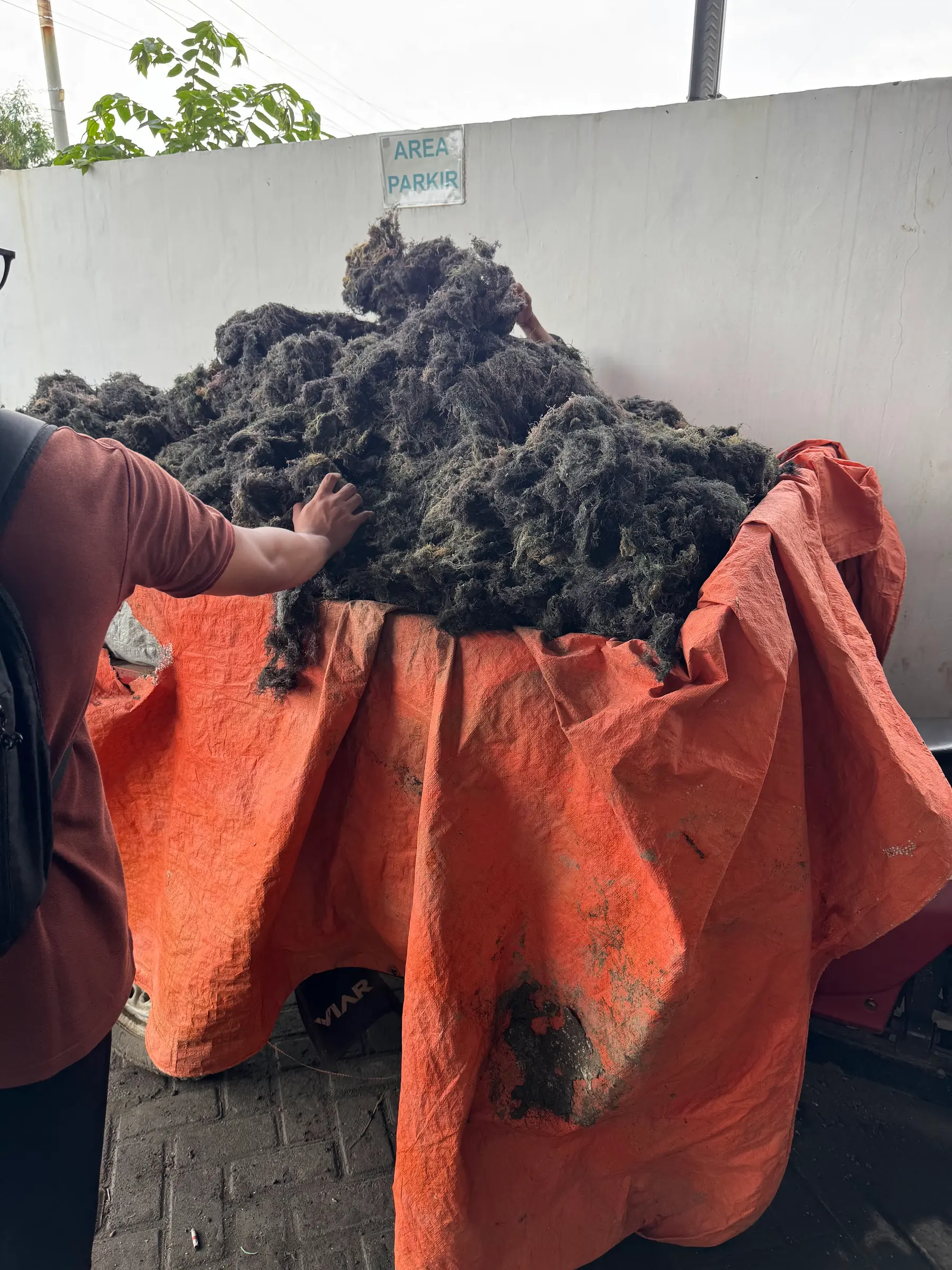
Many cooperatives already understand the opportunity. They know better buyers exist, and they know quality affects price. The gap is usually not ambition. The gap is an operating process that remains stable when pressure, weather, and daily volume start to vary.
Promises are easy to make around a new initiative. Process is harder because it needs roles, checks, repetition, and the patience to be measured before it is praised.
Markets reward evidence
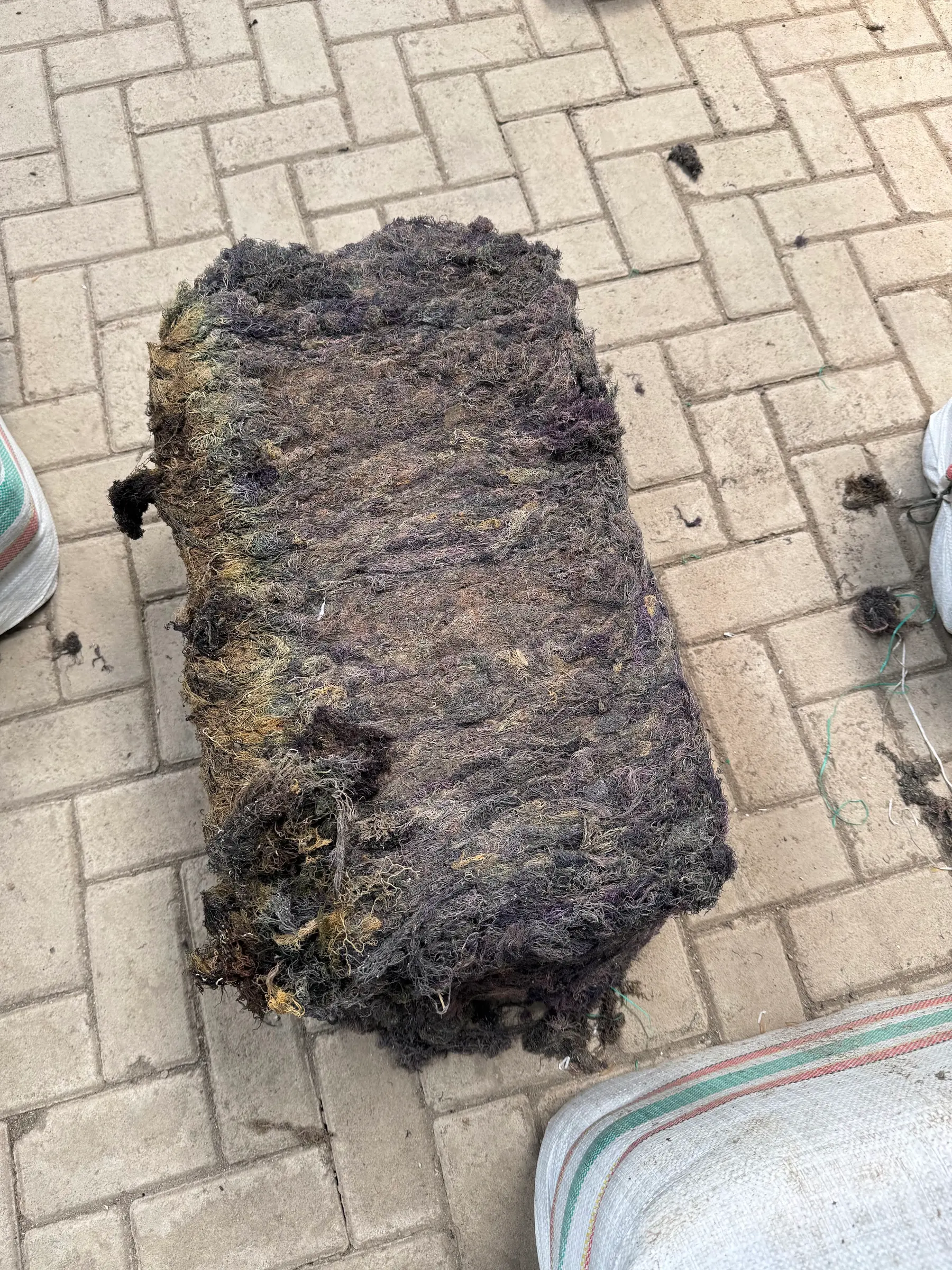
Buyers say they want better supply, but what they really purchase is confidence. They need confidence that quality will not collapse between one shipment and the next. That confidence cannot be negotiated into existence. It has to be produced by process.
For a cooperative, this means the path to stronger market access is operational first. Better routines create better evidence, and better evidence is what changes commercial conversation.
Process protects the cooperative itself
Process is often described as something the buyer needs. That is true, but incomplete. The cooperative also needs process to protect itself from internal confusion. Without shared routines, too much knowledge stays trapped in individuals and too many disputes become personal.
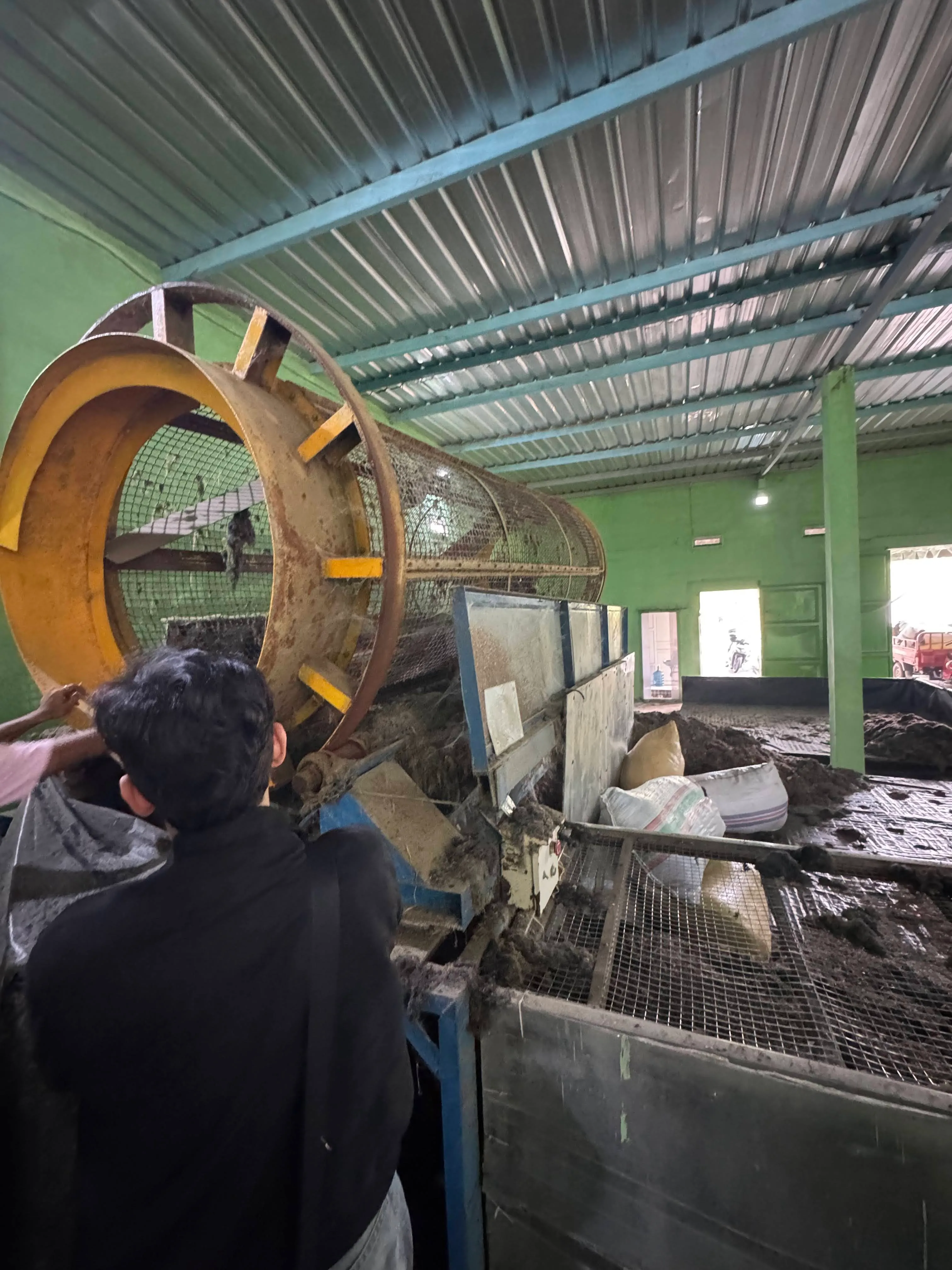
A reliable process gives the team a neutral reference point. Instead of debating intention, the cooperative can review what happened at intake, during drying, and before release. That is how learning becomes collective.
The missing layer is operational, not motivational
The phrase process, not promises is not a critique of commitment. It is a reminder that commitment without operating design rarely survives scale or stress. Motivation is helpful. It just cannot substitute for a working system.
That is the layer we are building with our partners. Not a speech about quality, but a node where quality can be produced, checked, and defended batch after batch.