What a reliable post-harvest node looks like
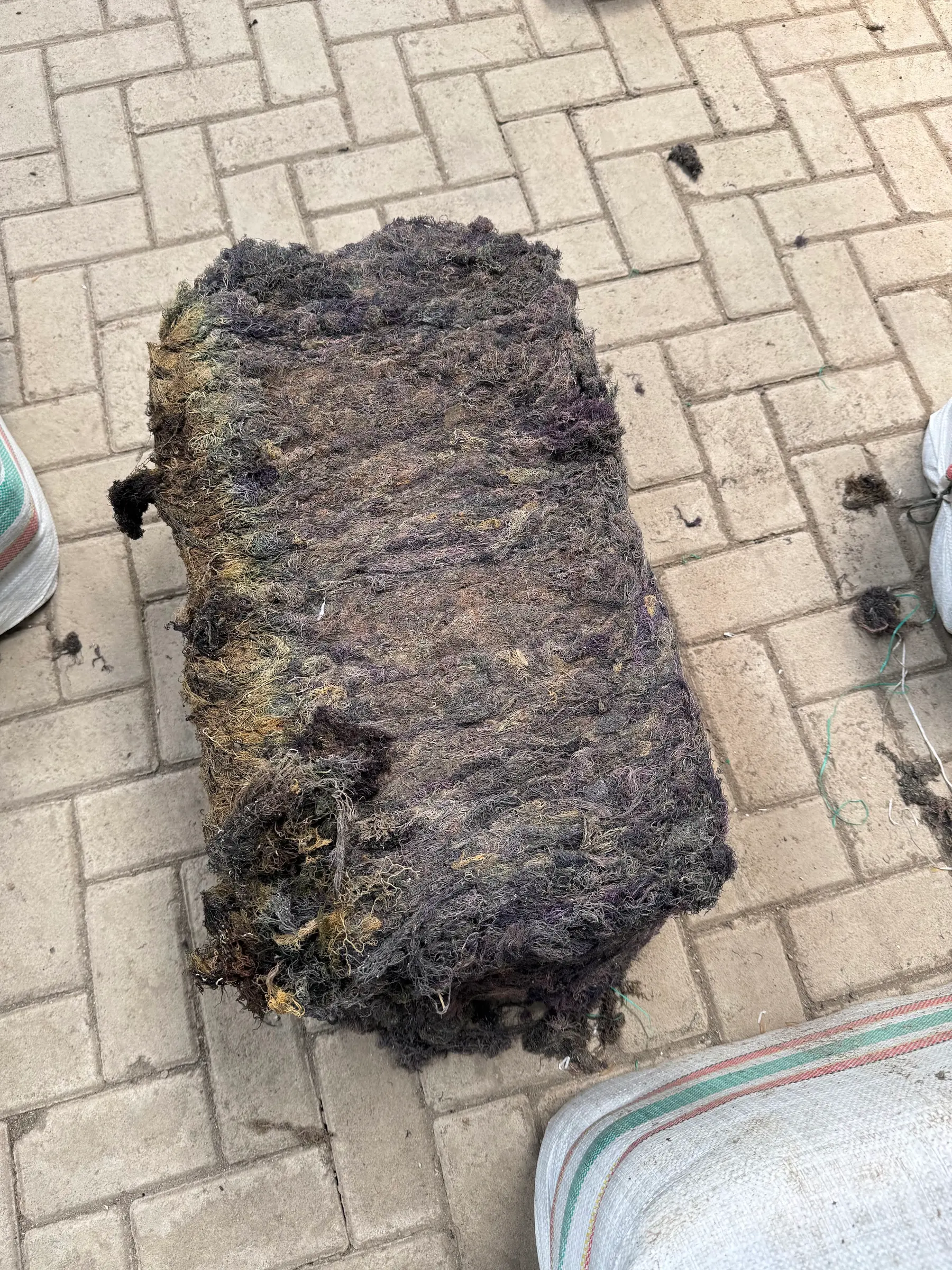
A reliable node is not defined by how advanced it sounds. It is defined by whether the next buyer can count on what leaves the floor. That means the work must be legible before it becomes impressive.
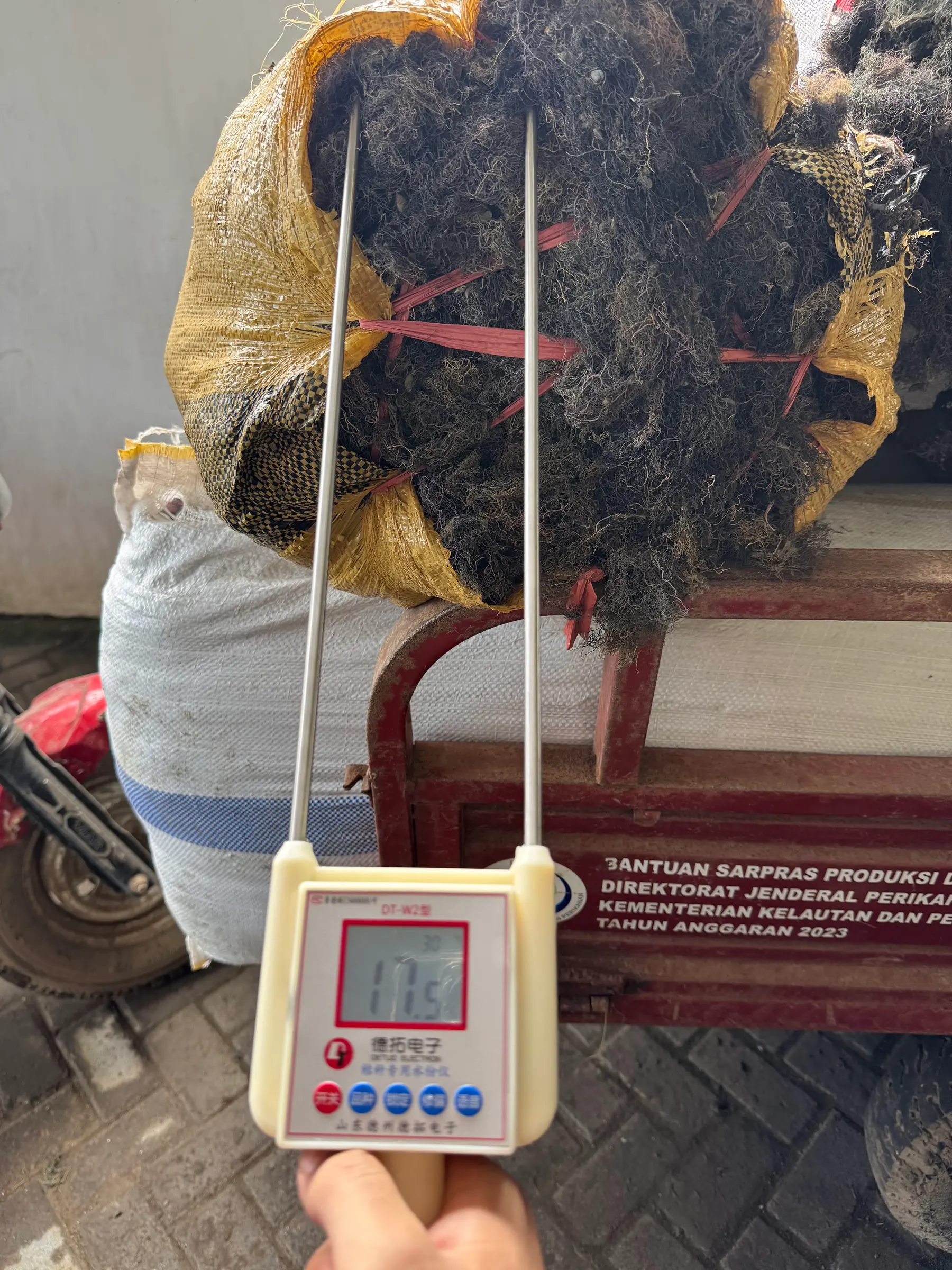
In post-harvest, reliability usually comes from a small set of disciplined moves repeated every day: intake control, batch separation, drying rhythm, and final release only after a measurable check.
The node begins at the gate
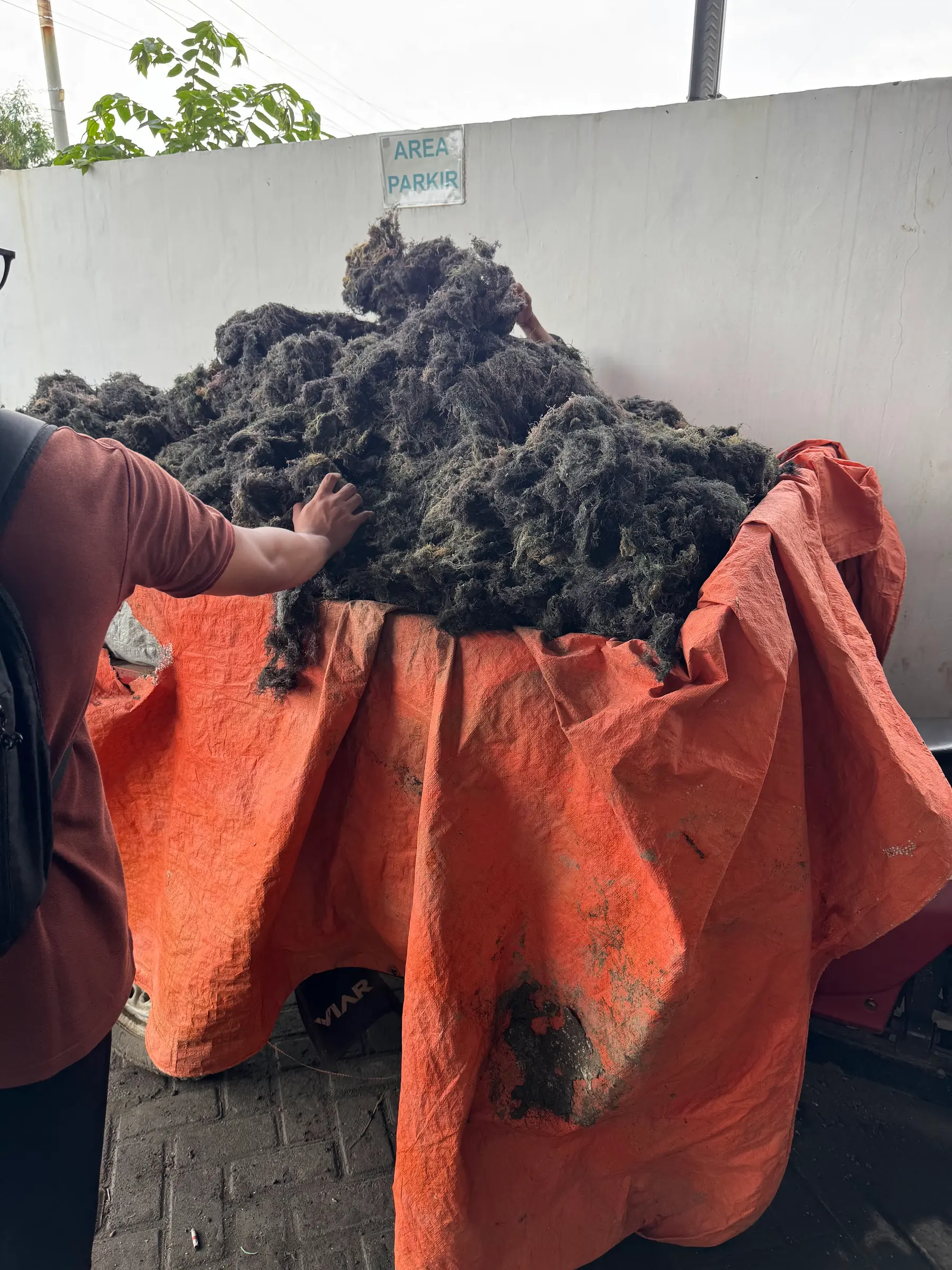
The first test of reliability happens before drying starts. Incoming material needs a gate: what arrived, in what condition, from whom, and into which lot it belongs. Without that step, the floor immediately loses the ability to compare results or trace a problem backward.
This intake discipline is also a management signal. It tells the cooperative that quality is not a final inspection event. Quality starts when material enters the system.
Routine matters more than equipment count
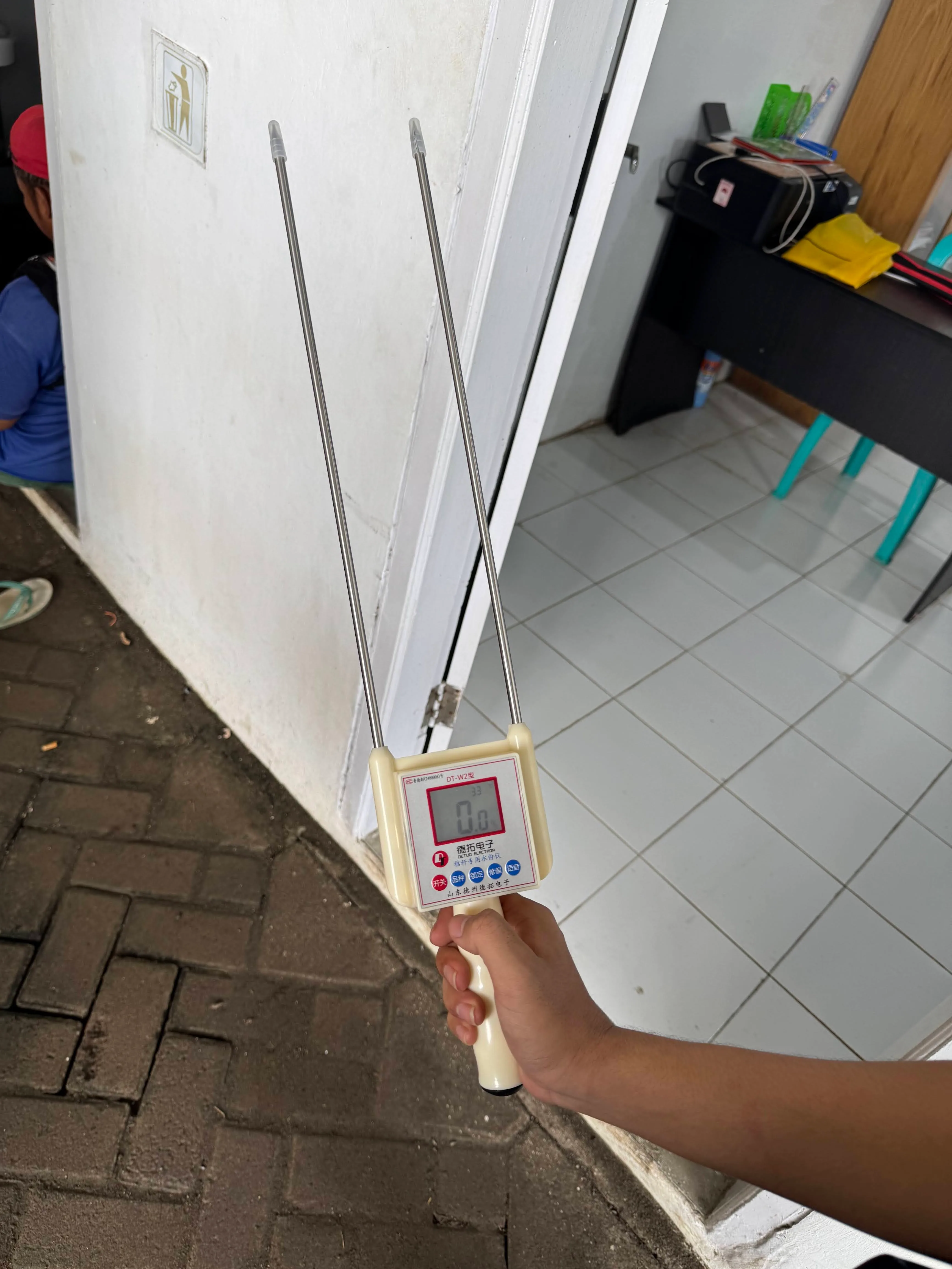
A node can own decent equipment and still remain unreliable if the day has no fixed rhythm. Receiving, spreading, turning, measuring, and packing need a predictable cadence. Otherwise, the team works hard but the output remains difficult to read.
The opposite is also true. Modest infrastructure can still produce better outcomes when the sequence is clear and the team knows which decision each checkpoint supports.
Reliability is buyer-facing
The point of an operating node is not internal neatness for its own sake. The point is that an exporter or downstream buyer receives a lot that has a clear story: spec, handling, timing, and confidence level. That is how trust becomes commercial, not just interpersonal.
When we say we are building the missing post-harvest layer, this is what we mean. A reliable node reduces ambiguity between cooperative and market. It converts good intent into evidence the next buyer can work with.