Designing discipline into drying

Drying is easy to misunderstand because the visible task looks simple: reduce moisture until the product is acceptable. In practice, drying is where discipline either becomes real or collapses into guesswork.
A drying process that depends on feel alone can produce occasional good results, but it cannot support a repeatable market relationship. The target is not one good day. The target is a stable pattern.
Drying is a timing problem
Weather matters, but timing discipline matters more than most teams admit. When material is spread late, turned irregularly, or mixed across lots, the floor loses control over outcome. The result is not only slower drying. The result is blurred accountability.
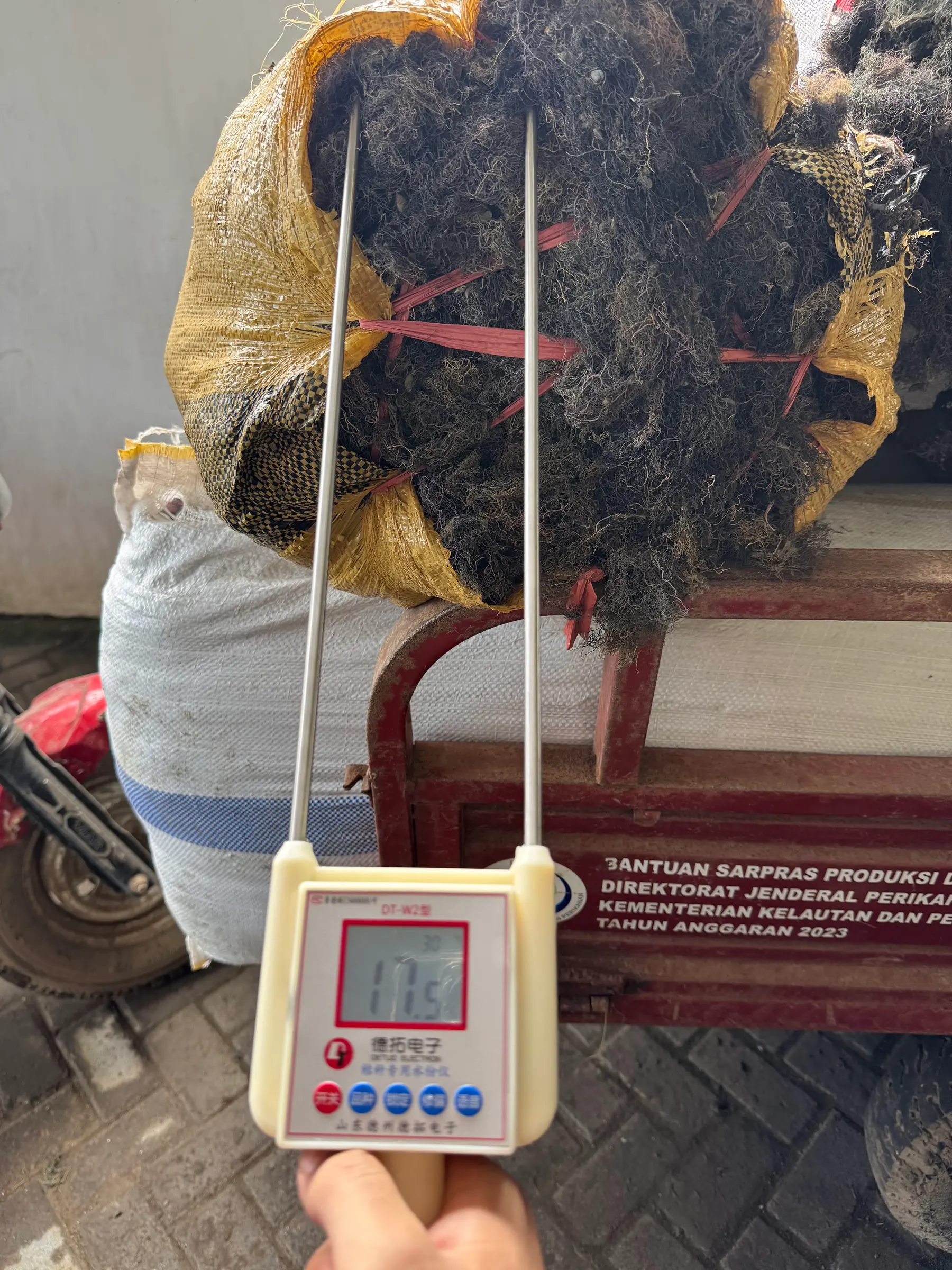
That is why we treat drying as a timed sequence rather than a vague waiting period. The team needs clear intervals for turning, measuring, and escalating when a lot is drifting outside the acceptable window.
Batch control protects quality
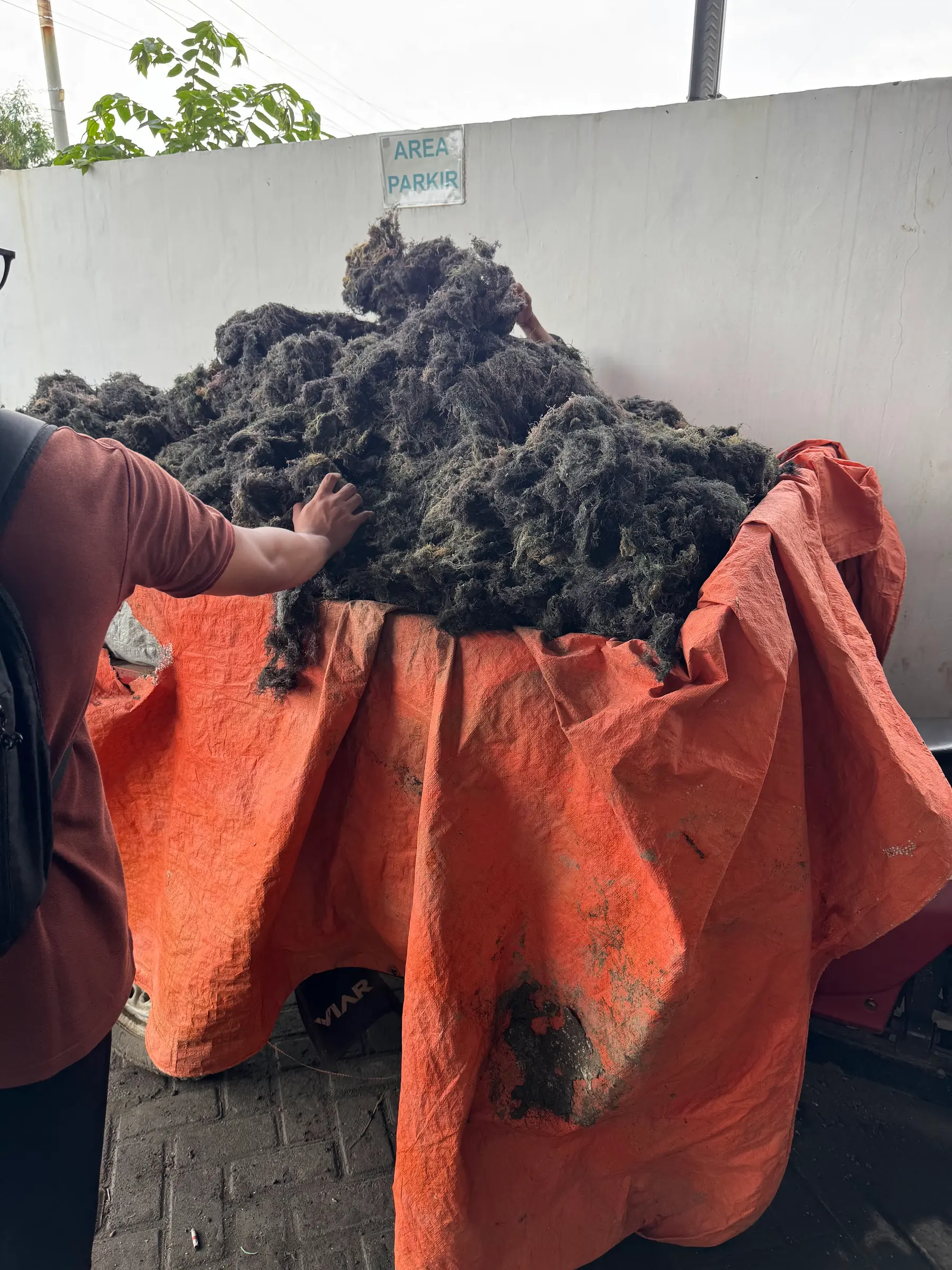
A drying floor can look busy and still be uncontrolled. The key discipline is separation. If lots blend too early, the team cannot learn which input performed well, which condition caused delay, or which corrective step worked.
Batch control is not bureaucracy. It is how a floor starts generating operating intelligence. Once lots stay separate long enough to compare, drying becomes something the team can improve instead of merely endure.
Repeatability is the real output
The real output of a drying system is not dry material alone. It is repeatability. Can the same team hit the same quality range again next week under slightly different conditions? If the answer is no, then drying is still fragile.
This is why our attention stays on routine design, measurement cadence, and release criteria. Better moisture numbers are important, but repeatability is what makes those numbers commercially meaningful.